Container Garden - Grow Herbs Successfully
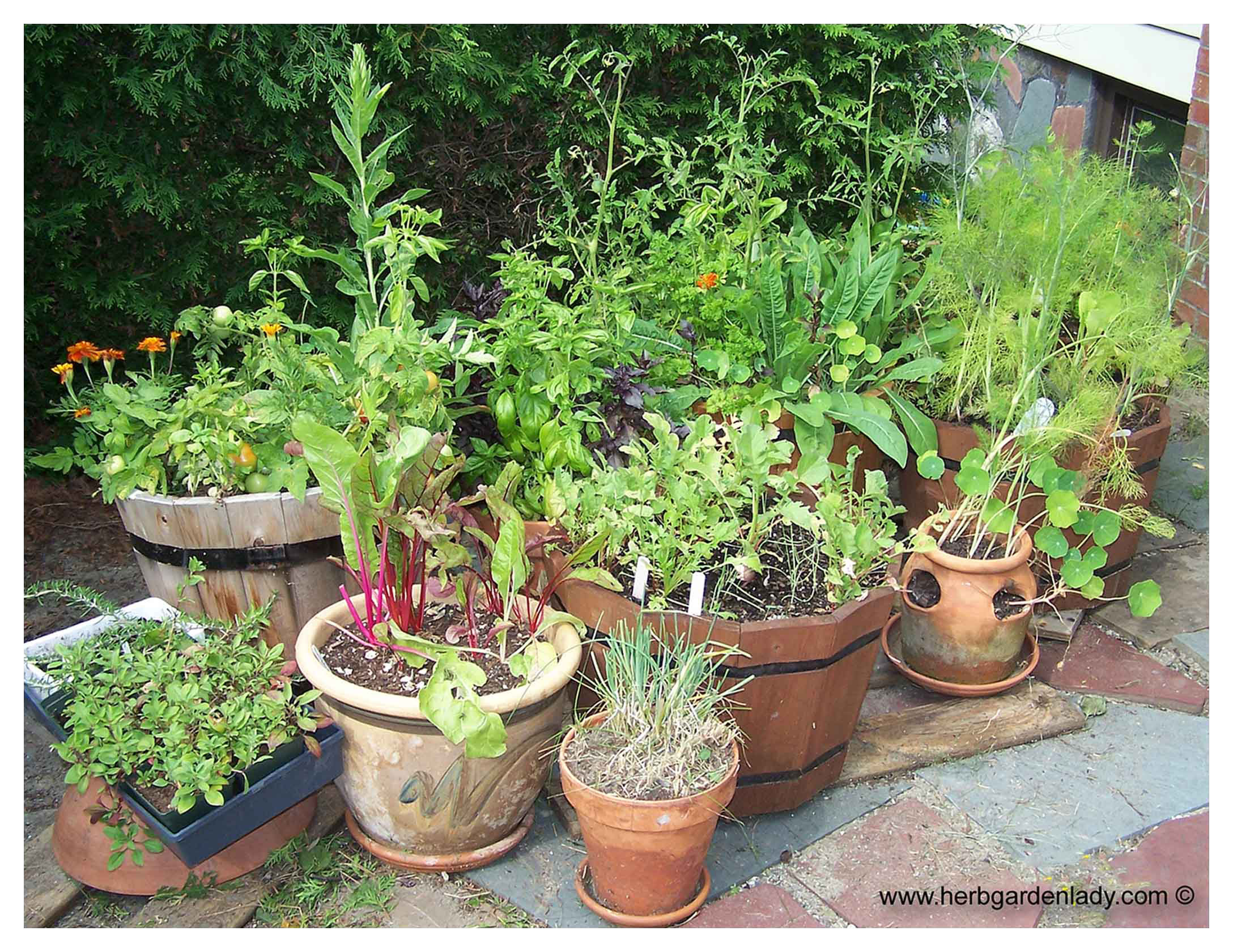
First, Container Size
A container garden is one of the simplest ways to make a garden feel more balanced. Instead of growing each plant by itself, you place herbs, flowers, and vegetables together so they can support each other naturally.
After many years of growing herbs, I’ve found that companion planting is less about strict rules and more about paying attention to what grows well together especially in container planters.
First, what size should you choose for your containers?
Small, medium or large herb planters or pots can diversify your herb garden look.
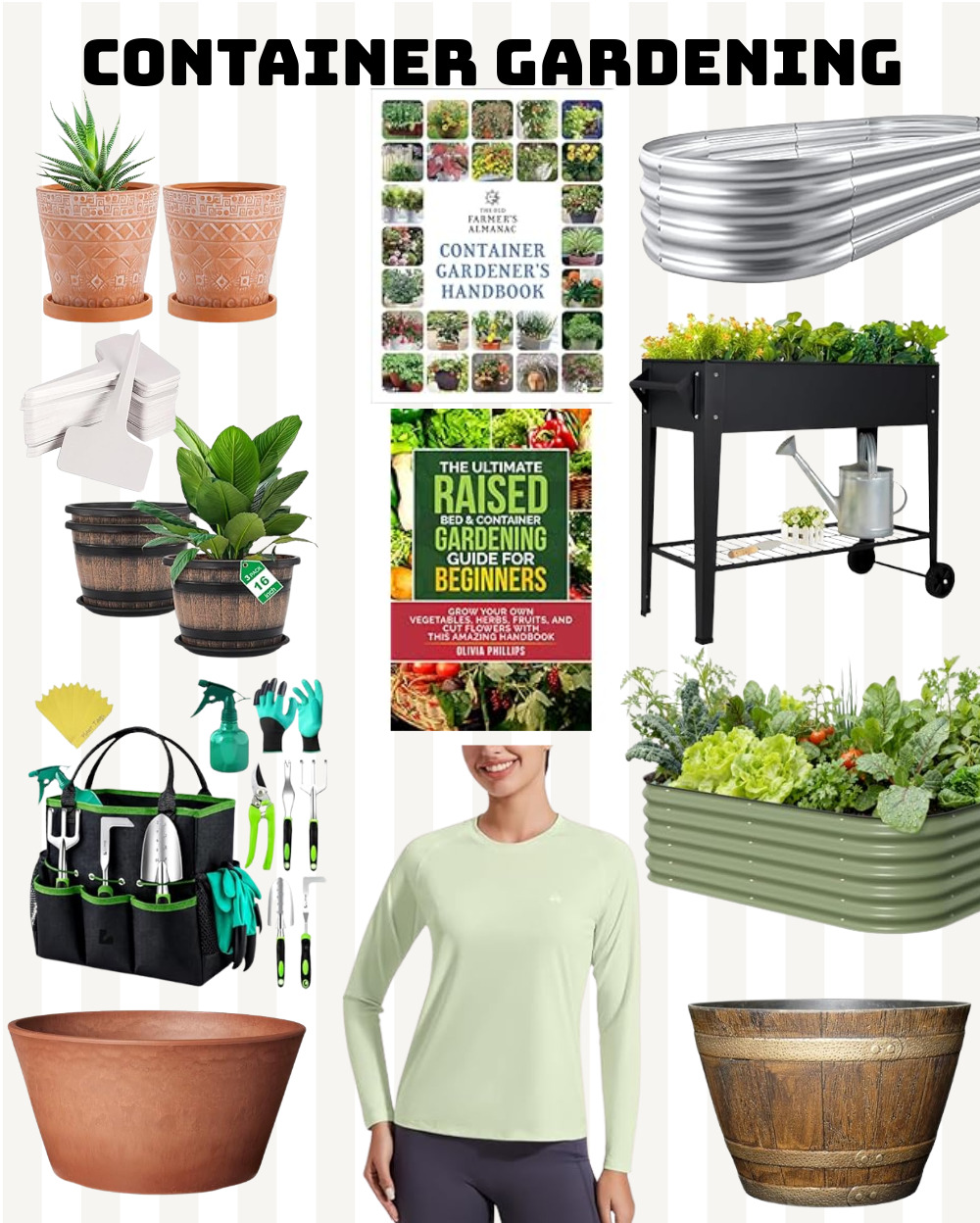
Terracotta, plastic, stone, basket, window box, herb pot or planters are all good herb containers. Canister wheels make it easier to push and pull when moving them. It’s important to select the right herb planter.
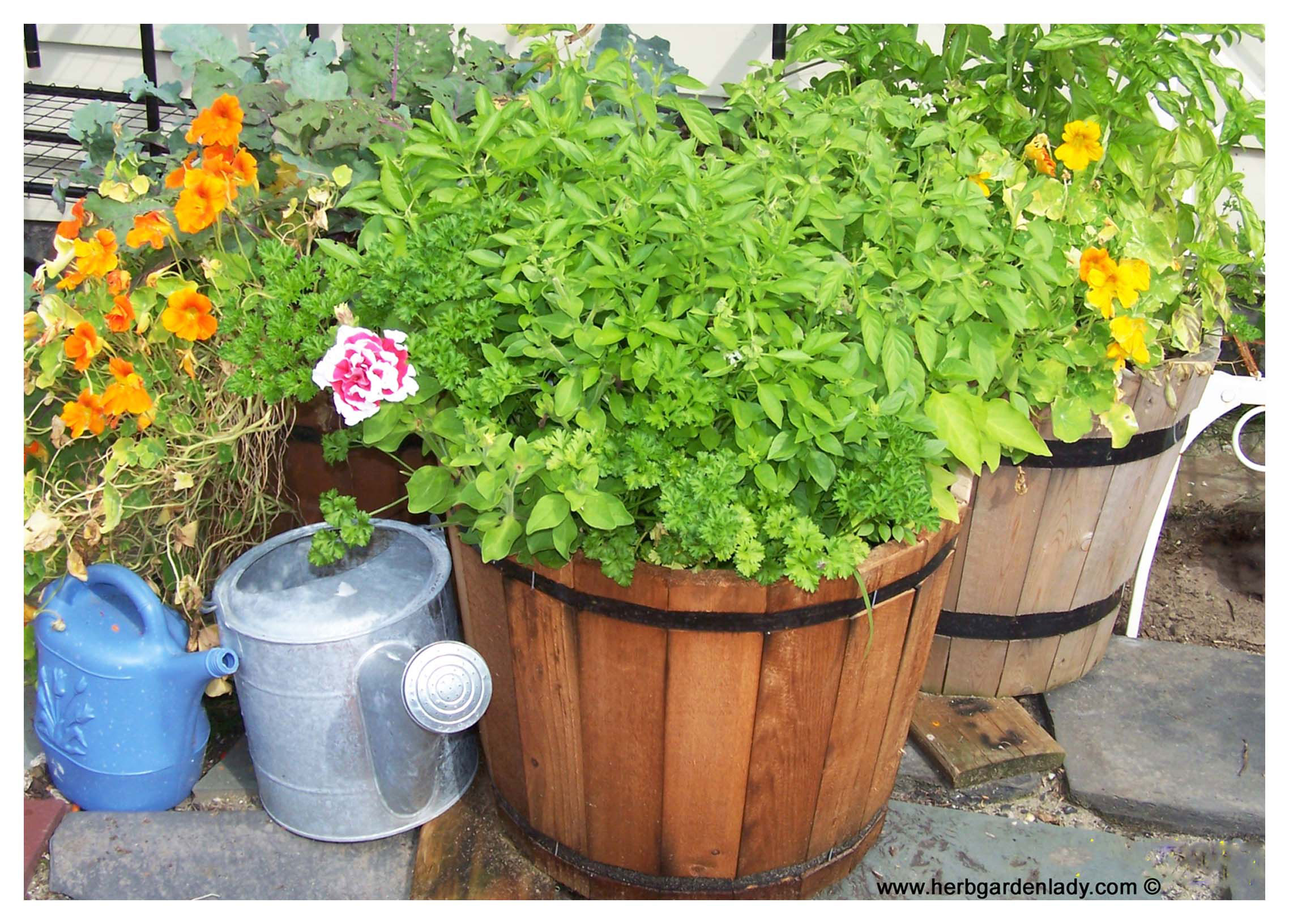
Second, Sun Exposure
Does it get at least 6 - 8 hours of sun in that area?
Some medicinal herbs needs 12 or more hours of sun light.
South facing is optimal, but not essential when using a container garden. Move it where the herb plants will get enough sun. Look for signs that your herb plants aren’t leggy, (long, thin and straggly). Also, getting water to your plants should be easily reached, so watering doesn’t become a chore.
Best Companion Plants for Container Gardens
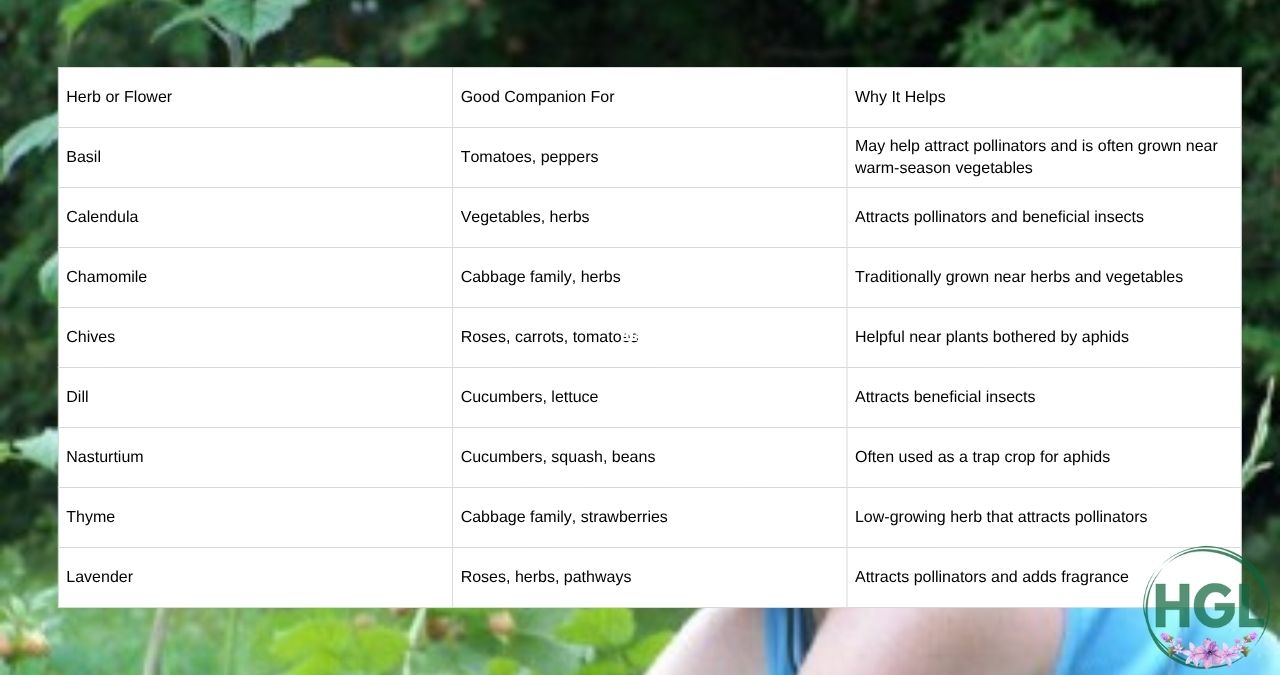
Some of the best companion plants for an herb garden are herbs and flowers that attract pollinators, support beneficial insects, and help create a healthier growing space.
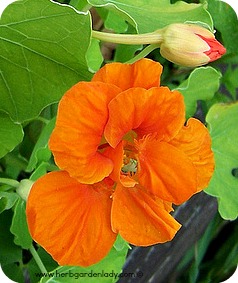
Basil is often planted near tomatoes and peppers, while chives are a helpful choice near roses, carrots, and other garden plants. Calendula, nasturtiums, dill, thyme, chamomile, and lavender are also wonderful additions because they bring color, fragrance, and insect activity into the garden.
I like to think of companion planting as building a little garden community. One plant may attract bees, another may draw in beneficial insects, and another may help fill empty spaces so the soil is not left bare. It is not a perfect pest-control system, but it can make the garden feel more balanced and alive.
Then, make a list of what herbs you would like to grow.
Group your herbs for eye appeal and ease of access. Grow herbs with vegetables like pickling cucumbers, cherry tomatoes or an assortment of hot peppers. Adding these companion plants makes a great container herb garden.
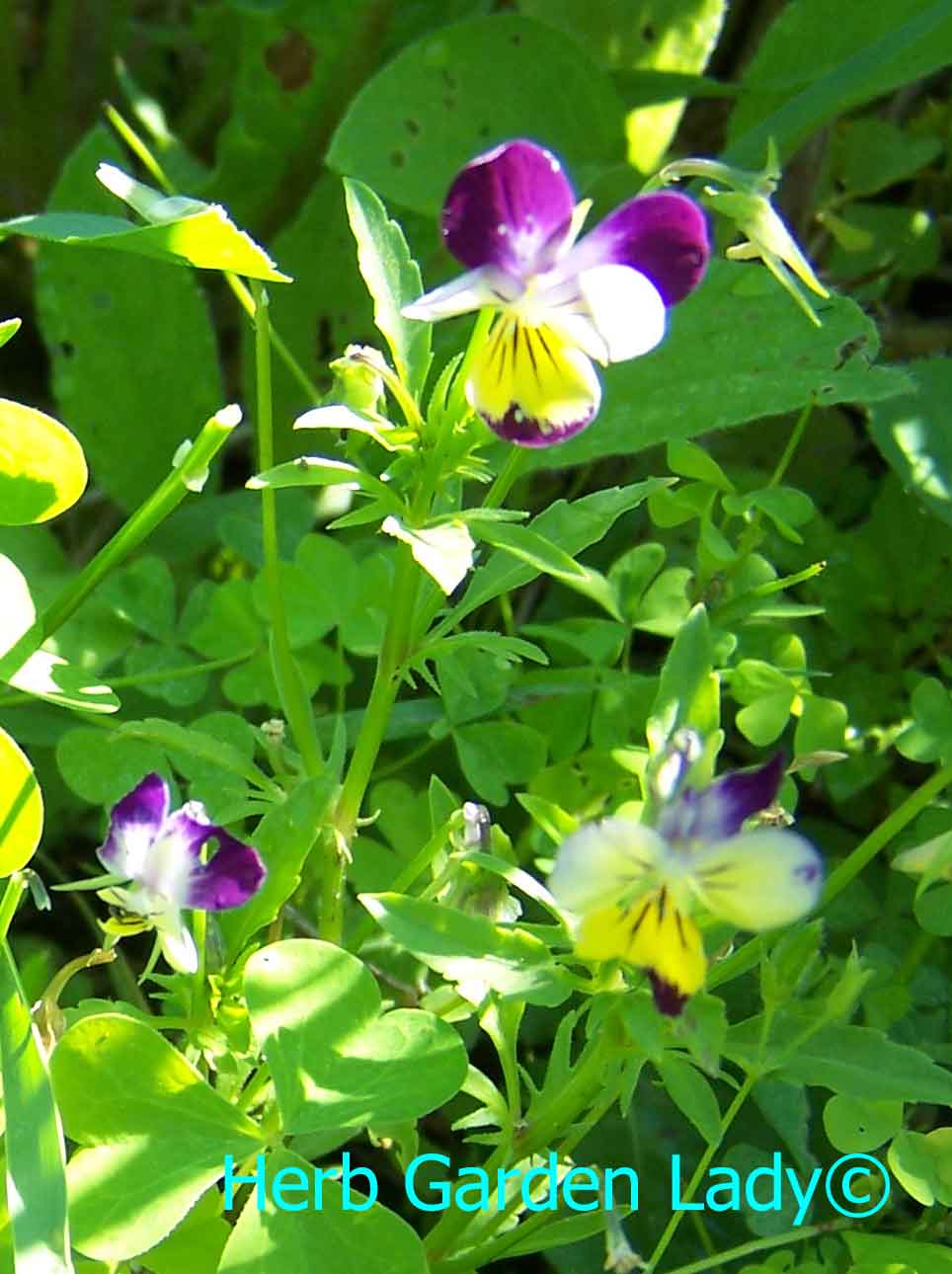
Another idea is a salad herb container with mixed lettuces, parsley, nasturtiums, violas, (pansies), basil, bunching onions and chives. Container herb gardening is great way to plant tasty and nutritious edible flowers.
This is where an herb garden design plan with details comes in handy. Yes, even for container gardening.
Although, not essential it is helpful to have some sort of plan. This way you know what type of herb and/or vegetable would grow well together. If they do get to crowed by the end of the season next time choose a bigger herb garden container or plant less in that pot.
Next, Build Your Soil Structure
Fertilizer...slow release like Cottonseed meal or pelleted lime. Bone meal helps roots to grow stronger and deeper. Natural Kelp Meal from the ocean helps build the soil structure. Add some earthworms.
Espoma, Herbs Alive or any garden center can guide you on what brand to buy.
Compost...organic and rich in nutrients will provide food for your plants during the gardening season. Ask where it comes from to be sure it is organic and not something you don't want to eat or your children to eat.
Well-rotted horse or cow manure, decomposed leaves collected for free in the fall, your own compost pile are some suggestions for organic compost.
Water...a water retaining gel reduces stress and water frequency like Terra-Sorb or any other product you can purchase at your local garden center.
Get Your Tools and Supplies
After growing herbs for many years, I’ve learned that container gardening is not always about following strict garden rules. Sometimes it starts with noticing what seems happier growing together.
I’ve seen herbs, flowers, and vegetables create a more lively garden when they are planted close enough to support pollinators, soften bare spaces, and bring more balance to the whole bed.
That is one of the reasons I like mixing herbs such as thyme, basil, chives, calendula, and lavender into the garden instead of keeping everything separated.
Get your container garden essentials together.
Take your compost, trowel, mix it with peat moss or coir then add your fertilizer. Next, water well and add your water retaining gel and you have your medium for growing your beautiful, bountiful herbs. Then plant your herbs and/or vegetables.
As the season progresses spray some fish emulsion or scratch in some slow release fertilizer and water well. This will keep your plants vigorous and healthy.
Arranging your desired look, tastes and smell...for your container herb garden...
Height is important, not only for good air circulation, visual presentation, but for added ease in watering and nibbling your herbs as you walk by.
Arrange herbs so the container closest to the ground is elevated at least an inch or two. This helps to prevent creepers and slugs from reaching your herb plants.
For example, basil, borage (you need a big herb pot for this plant), or thyme and strawberries (shallow rooted herbs) attract garden pests especially as the sun goes down or on a cloudy, wet day.
Place a copper guard around the top part of the container, about 2 inches below. This discourages slugs and snails from getting inside your herb container.
Or, sprinkle some dried, crushed eggs shells for extra insurance. Not a guarantee, just some practical gardening advice.
So...arranging your herb container garden at any time during the growing season is easy and manageable.
See also...herb garden planters
Companion Plants for Aphids and Garden Pests
If you enjoy slower seasonal garden notes, herb stories, and practical growing ideas, you can also join me at The Herb Garden Journal on Substack.