Slow Living Through Gardening
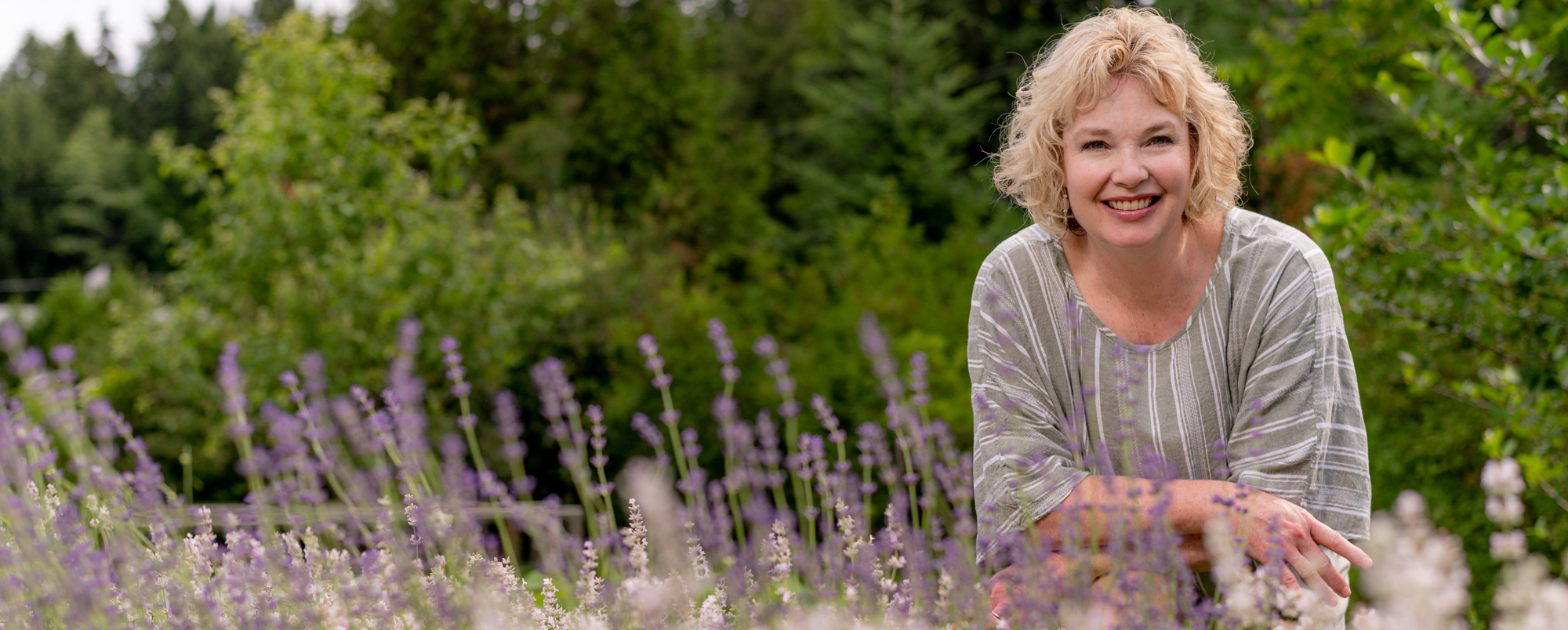
Slow living through gardening gives you insights that something strange happens when you spend too much time inside — answering messages, organizing things, planning things, trying to "keep up" with everything.
Your body starts feeling tired in a way that sleep just doesn't fix.
I noticed it more as I got older. Not dramatically. Just quietly. Too much noise. Too many tabs open. Too much sitting. Too much thinking.
And then spring arrives.
Not calendar spring, either. Real spring. The kind where the ground softens enough to pull weeds. Where you notice tiny green growth at the base of lavender plants you thought maybe didn't survive the winter. The kind where birds start arguing with each other again at 5:30 in the morning.
That kind of spring.
The Day I Went Outside for Twenty Minutes
and Stayed for Two Hours
A few days ago I went outside planning to "work in the garden" for maybe twenty minutes. Honestly, I wasn't even motivated. I just knew the raised lavender bed had gotten out of hand again.
It's an old bed — probably close to twenty years old now. Some of the lavender plants are woody and uneven. A few sections are thriving. Other parts are struggling because weeds slowly crept in over time.
I stood there looking at it thinking: this is going to take forever.
But then I started pulling weeds. Just one section at first. Then another. And something shifted.
Not emotionally in some dramatic movie scene kind of way. More like my nervous system finally exhaled a little. That's the best way I can describe it. I need to practice more slow living through gardening just for my nervous system.
Gardening Gives a Kind of Energy That Modern Life Takes Away
Gardening gives me a kind of energy that modern life constantly drains. Not adrenaline energy. Not caffeine energy. Not "girl boss" energy.
Real energy. Grounded energy. The kind where your thoughts stop racing because your hands are busy doing something real.
I think a lot of people underestimate what repetitive physical tasks do for the mind. Pulling weeds, trimming dead blueberry branches, spreading mulch, watering seedlings — these jobs are simple, but they pull you back into the present moment. That's mindful gardening in practice, even if you'd never call it that.
You can't doom scroll while pruning elderberries. Well, technically you could, but you'd probably stab yourself with the pruners. So maybe don't.
Why I Value Rhythm Over Optimization Now
One thing I've noticed as I've gotten older is that I no longer want every part of life to feel optimized. That used to sound impressive to me. Productivity. Hustle. Efficiency.
Now? Honestly, I value slow living and more rhythm. And the garden has rhythm.
There are seasons where things explode with growth, and seasons where almost nothing happens at all. Somehow the garden doesn't panic about that. Humans do, though — especially people who spent years building businesses, raising families, managing households. We get used to measuring our worth by output.
But gardens don't work that way. Sometimes growth is invisible for a while. Sometimes restoration looks lazy from the outside.
I think that's why gardening becomes more meaningful later in life. You stop trying to conquer nature and start participating in it instead. That slow living through gardening lifestyle the internet keeps talking about? The garden figured it out long before anyone made a hashtag about it.
Weeding Is Actually Slow Living Through Gardening
Even weeding feels different now than it did years ago.
When I was younger, weeding felt annoying because it interrupted what I wanted the garden to look like. Now it feels satisfying. There's something deeply calming about removing what no longer belongs somewhere.
Dead branches. Overcrowded growth. Plants planted in the wrong spot years ago. Volunteer seedlings that aren't helping anything.
Honestly... gardens teach editing. And maybe that's part of aging too. You start realizing not everything needs to be saved. Not every commitment needs to continue. Not every noisy thing deserves your attention. Sometimes you just quietly pull the weeds.
I had that exact thought while trimming blueberry bushes recently. The bushes had dead interior branches blocking airflow and sunlight — nothing dramatic, but enough to weaken future growth. So I spent time cutting out old wood before the plant even started blooming.
And I realized how similar that is to life later on. You begin protecting your energy differently. More selective. More intentional. More aware of what drains you. Slow living through gardening. That's not becoming old and boring. That's wisdom, even if society pretends otherwise.
What the Garden Restores That Screens Never Can
One thing gardening has taught me is that energy isn't created through constant stimulation. It's restored through connection. Connection to weather. Connection to seasons. Connection to your own senses again.
The smell of soil after rain. The sound of bees near flowering herbs. The feeling of dirt under your fingernails. The silence that happens when you stop checking your phone every four minutes.
That silence matters. A lot.
I think many gardeners secretly know this, even if they don't talk about it much. The garden becomes a refuge from performance. Plants don't care about branding. They don't care about followers. They don't care if your kitchen counters look aesthetic.
They just need attention, patience, water, sunlight, pruning, observation. Honestly? Humans probably need the same things. And maybe that's why being in the herb garden can feel healing without trying to be "wellness content." It's just real life. Even the garden is slowly waking up. (Substack: herbgardenlady)
Failures in the Garden Teach Resilience (Quietly)
Even the failures feel more honest in the garden, somehow.
I've lost plants. Over watered seedlings. Forgotten to label trays. Pruned things at the wrong time. Killed lavender by planting it where drainage was terrible — and lavender really, really hates wet feet, in case you didn't know. Lesson learned the hard way.
But gardening teaches resilience quietly. The season keeps moving whether your tomatoes succeed or not. There's freedom in that.
Slow Living The Proof You Can See
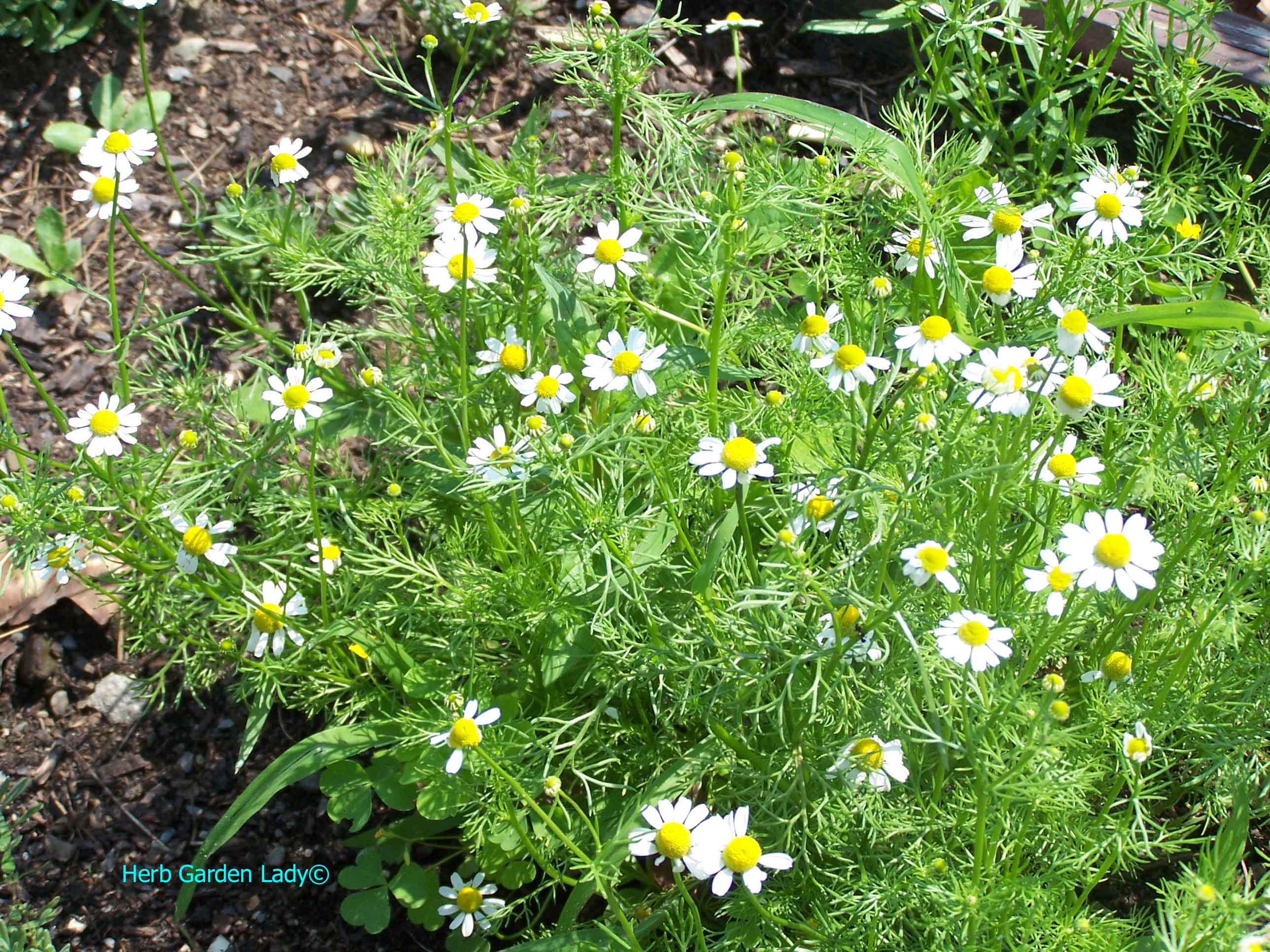
One thing I've started appreciating more is the physical proof that gardening gives you at the end of the day.
You can see what you did. The bed looks cleaner. The pathways look defined again. The herbs smell stronger after trimming. The elderberry cuttings are planted. The weeds are gone from one corner, at least.
That matters psychologically — more than I expected it to. A lot of modern work disappears into screens and notifications and endless updates. Gardening gives tangible progress. Even small progress feels satisfying.
Maybe that's why people return to it again and again through every stage of life. Not because it's trendy. Not because it's productive. Not even because it saves money.
But because it reconnects us to something steady. And these days, steady feels rare.
If you're someone who's been feeling stretched thin lately, I'd gently suggest: go outside. Don't make it a project. Don't optimize it. Just pull one weed. Trim one branch. Water one pot of herbs on your porch.
Let the garden do the rest.